
Coverage
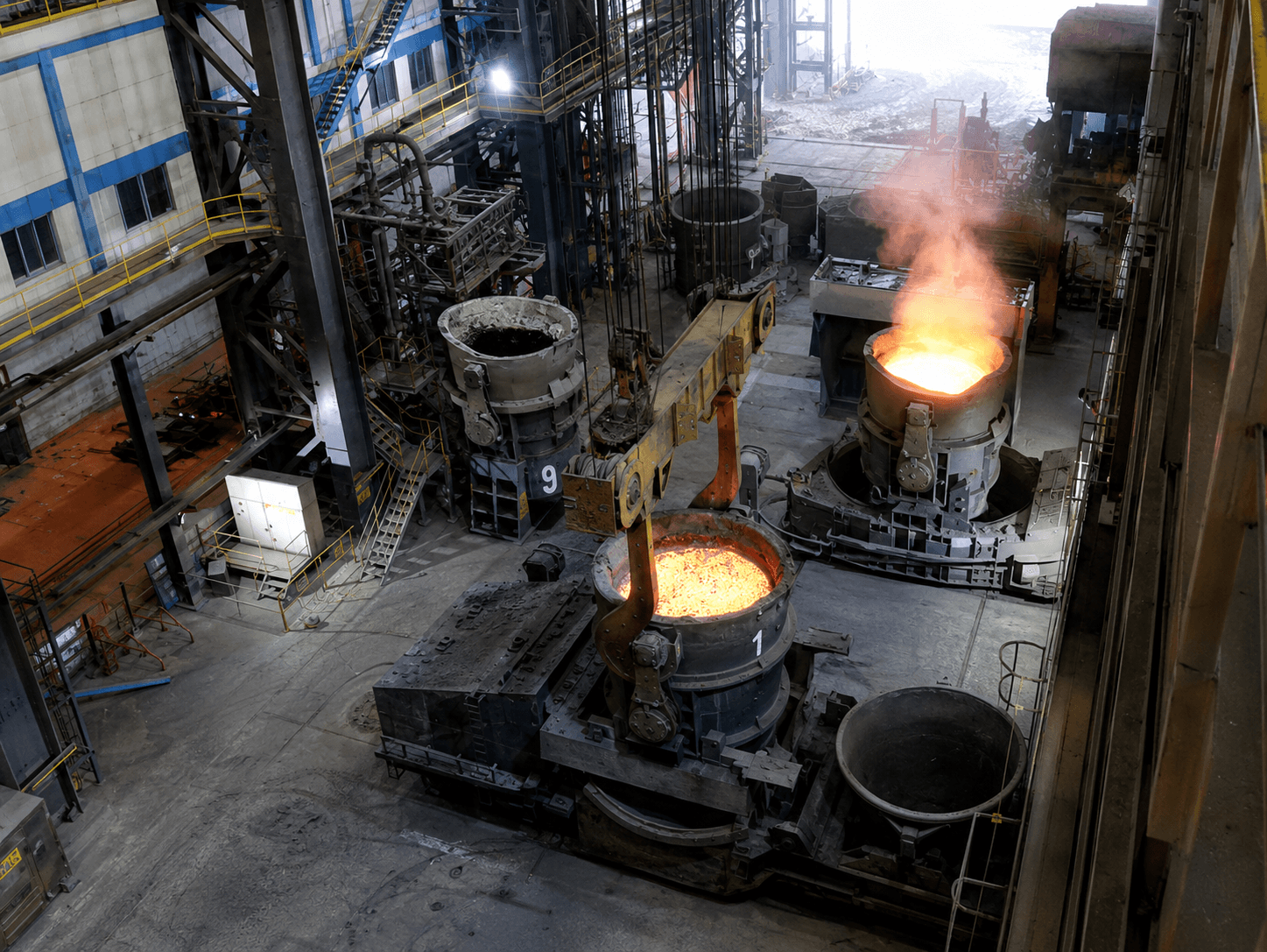
Runway-side + cabinRunway-side and crane-cabin vantage — the hidden engagement face and the bay, both in view.
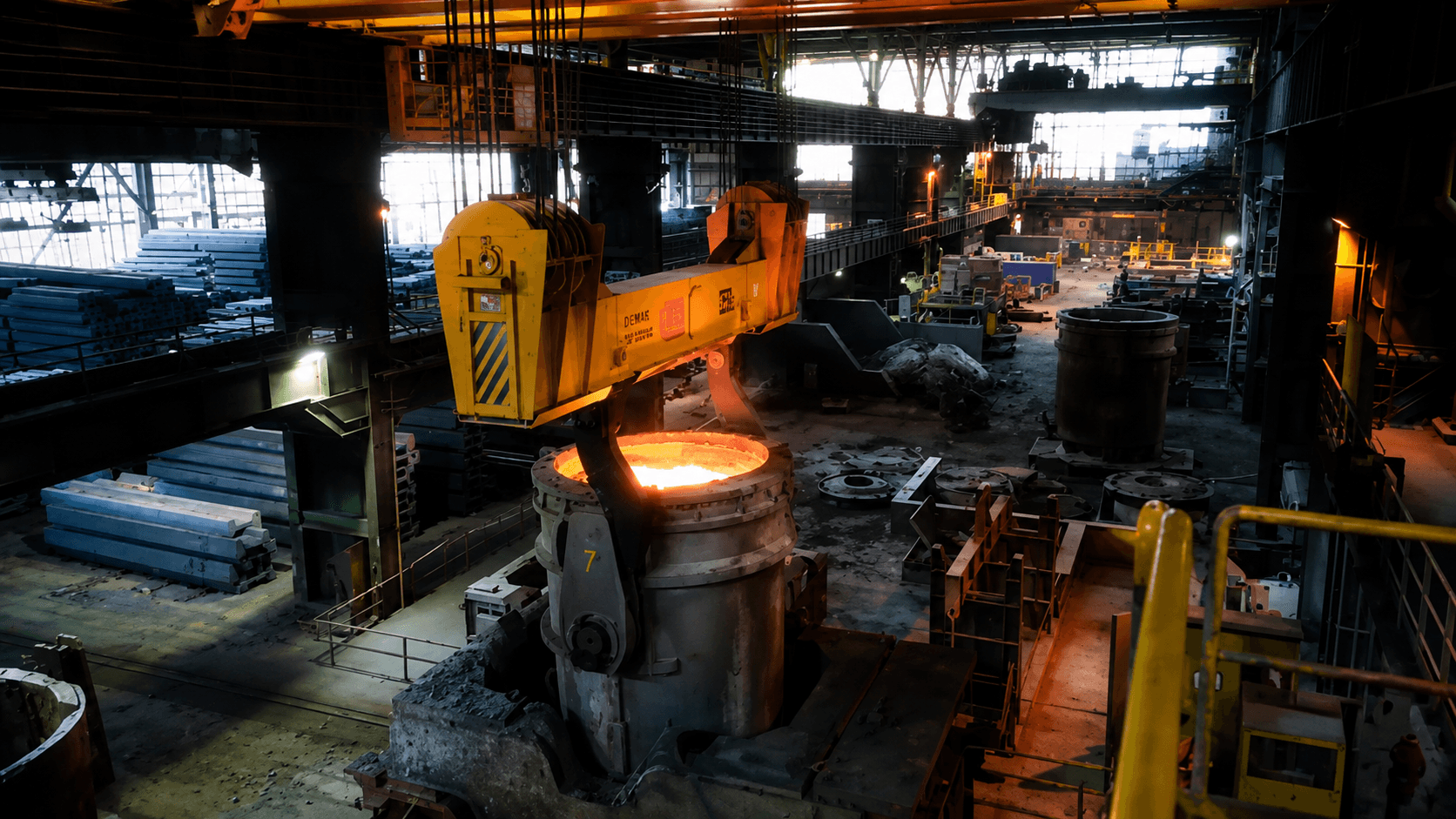
The hook takes the ladle by the trunnions, and from the cab the engagement face is hidden — you are seating multi-ton molten steel on a face you cannot see. It is not a matter of skill; the geometry hides it. LVS makes that geometry legible, low-latency, every lift — the face the cab was never given.
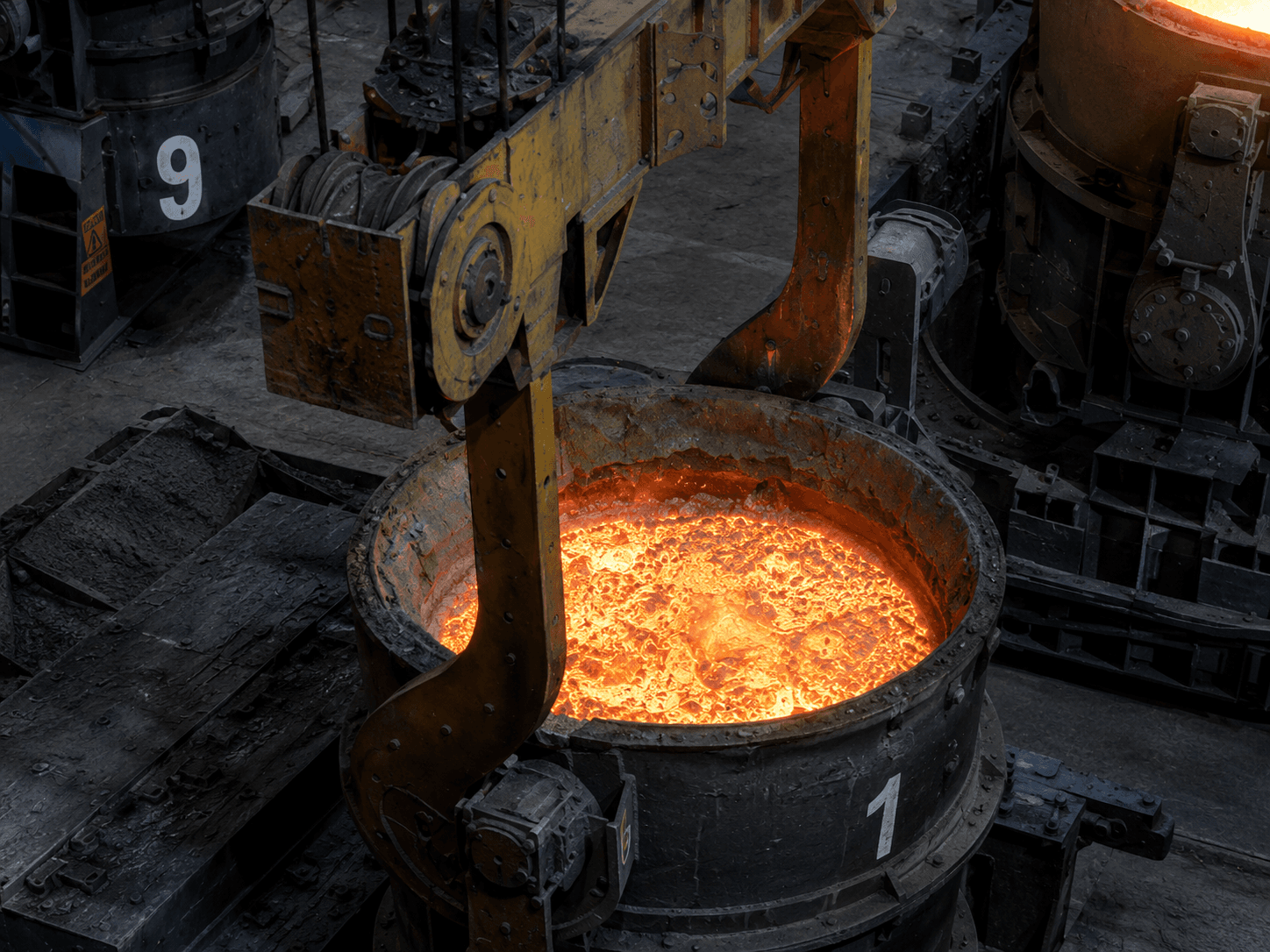
Landing on the turret is precise and unforgiving — the margin is small, and a half-second's distraction is catastrophic. You're skilled; no one holds perfect attention every lift across a shift. The same continuity that watches the bay watches the turret set-down, and never looks away — the precision watch, held with you. The call stays yours.
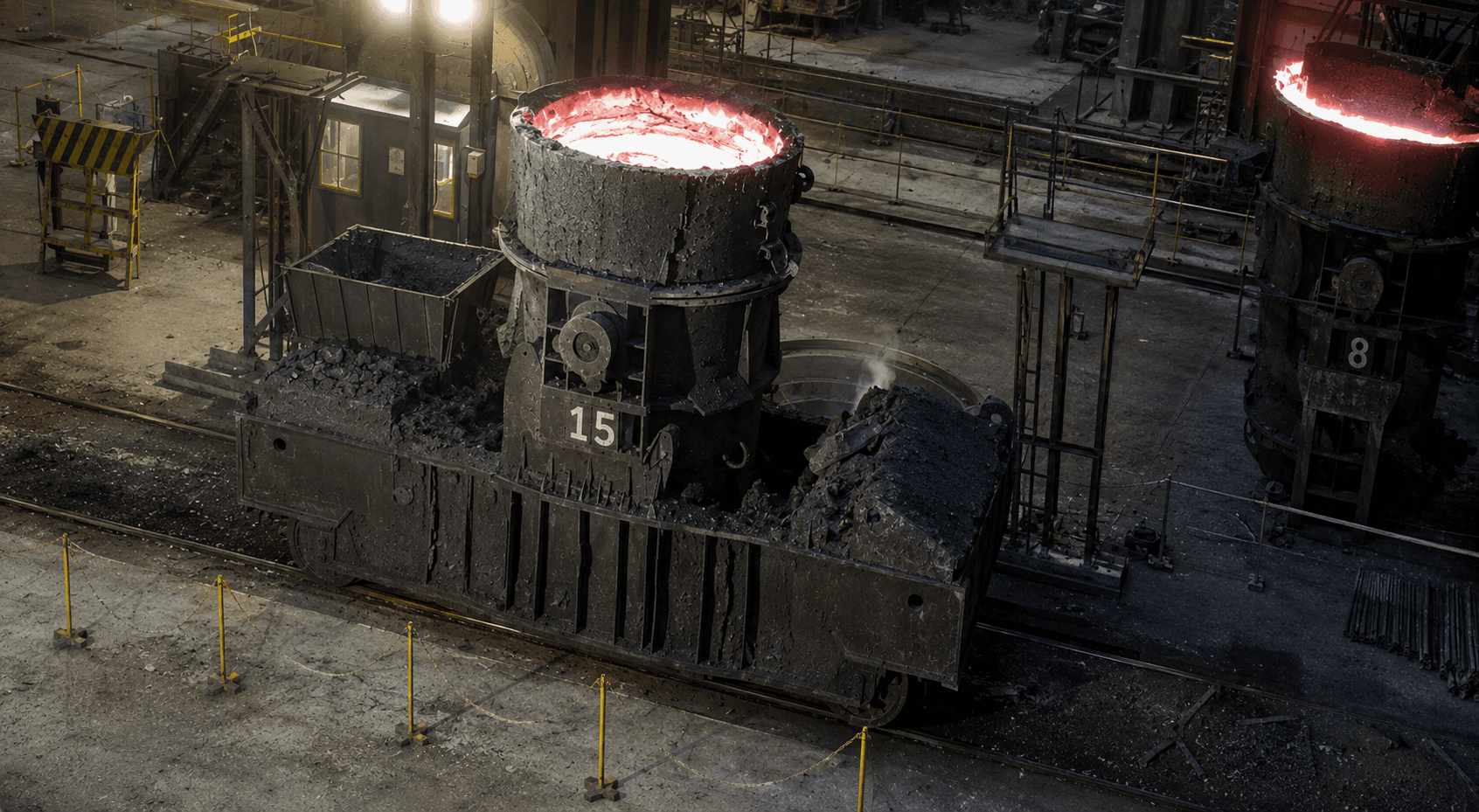
Once the bay is legible, its state is yours: where every ladle is, its life by heat count, its superheat, its place on the turret — read continuously, not sampled. The physics of the bay, made visible.
Which of these you act on —
a reline brought forward, a turret sequence reordered, a heat held back —
is your call. LVS makes sure you are making it with the full state of the bay in front of you.
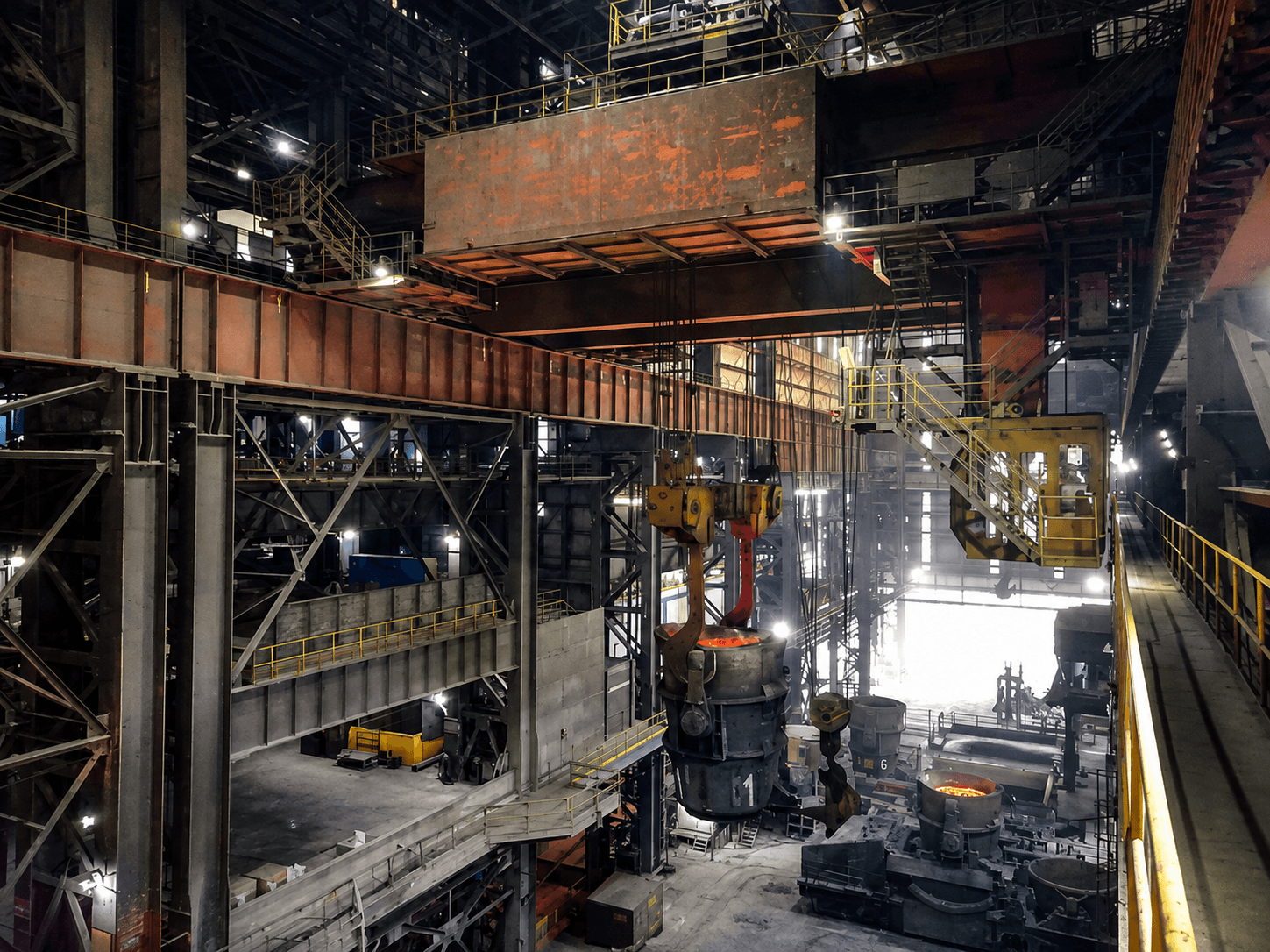
LVS starts as the lift made legible — the engagement, the margin, the bay, today. Heat after heat, on your bay's own practice and your ladles' own history, the reads sharpen. What begins as making the lift legible grows, over time, into working it with you: an expert operator's assistant that earns the floor.
The call stays yours.
The assistant just keeps getting better at your bay.
This is where LVS sits today, honestly: built around your bay's real geometry, in design with the operations and automation teams who run it — not yet installed.
For pilot exploration, co-creation on the shop floor, or a deployment discussion — we build inside real steelmaking shops, against live constraints.
business@goatai.io